01 / Short answer
Good bar lighting balances mood with visibility: build an ambient base, add precise task light at the counter, then use controlled accents to make shelves and architecture memorable.
Bar owners, hospitality designers, fit-out teams and DIY builders planning a home or commercial bar
CHECKPOINT / 01
Design three layers instead of one bright fixture
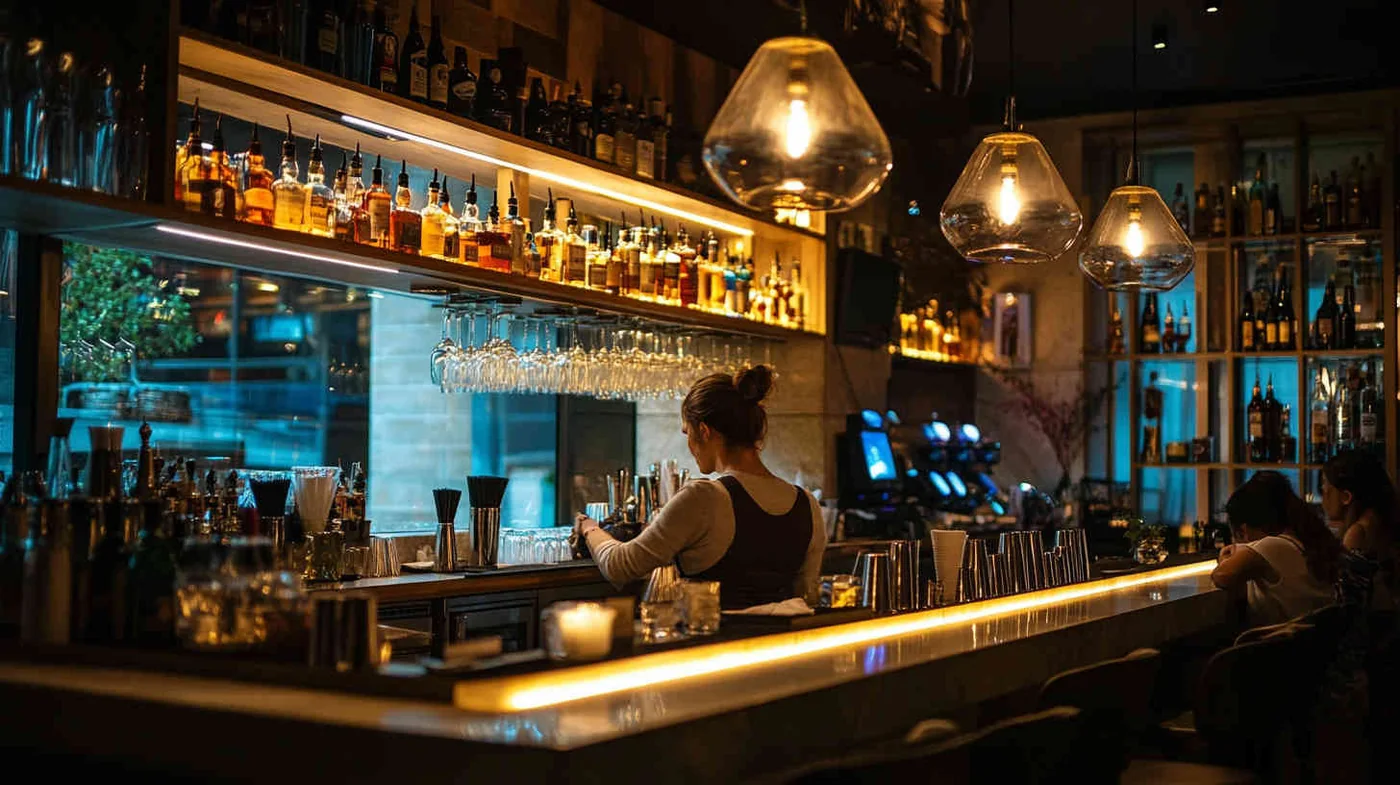
Ambient light gives the room a comfortable baseline. Task light lets staff prepare drinks, read labels and clean the counter. Accent light draws attention to shelves, bottles, joinery, signs and seating. Keeping those layers separate makes the bar easier to tune through service, evening and event scenes.
- Ambient: soft, even light for movement and general orientation.
- Task: controlled light on the work surface and preparation areas.
- Accent: concealed strip, neon flex or linear light for architecture and display.
CHECKPOINT / 02
Choose color temperature for the job
Warm white around 2700-3000 K can support an intimate lounge mood, while a more neutral white can help a work surface, menu or cleaning task. The exact result depends on the light engine, diffuser, finish, camera exposure and surrounding materials. Record the chosen CCT and test it in the actual space rather than relying on a render alone.
- Keep guest-facing ambient light comfortable and low glare.
- Use a separate task circuit when staff need more visibility.
- Do not use a Kelvin number as a substitute for CRI, flicker or measured photometry.
CHECKPOINT / 03
Select LED strip lighting for shelves and counters
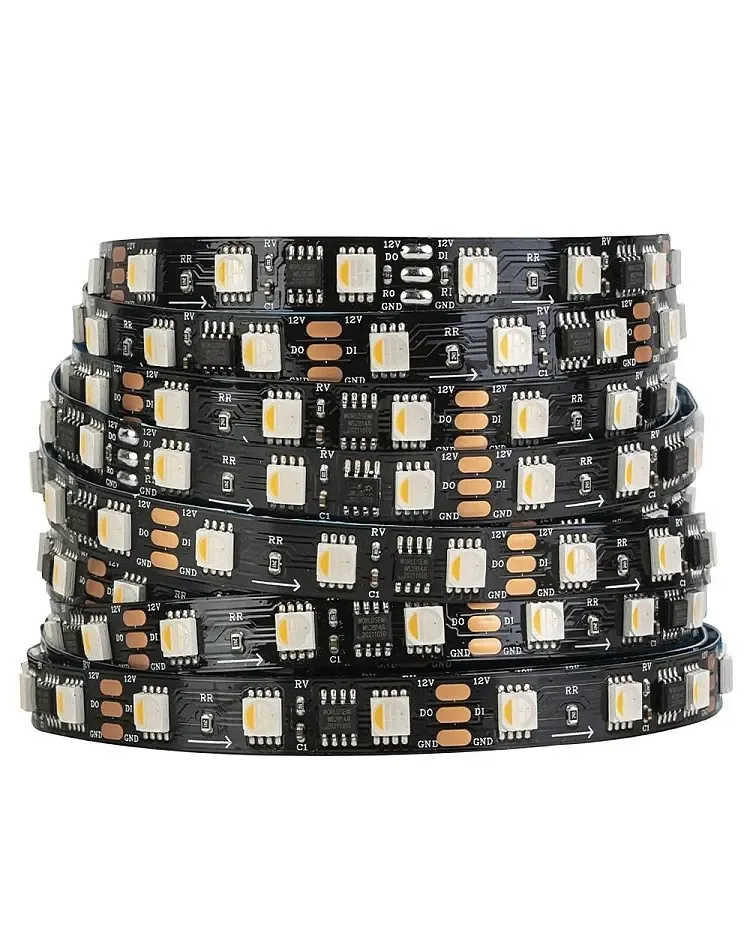
Record voltage, watts per metre, density, cut interval, color type, dimming method and installation boundary. A diffuser helps the shelf or counter read as a continuous line. For wet bars or outdoor service areas, the complete assembly matters: strip, end treatment, cable entry, driver, connectors and enclosure all contribute to the real protection boundary.
- Use aluminum profile to support the strip and improve the finish.
- Hide the source from normal guest sightlines where possible.
- Keep drivers, fuses and connectors accessible for service.
CHECKPOINT / 04
Plan the layout from the room and the output
Measure the bar, back bar, seating, aisle and ceiling height. Then map where light is wanted, which surfaces should stay dark and where shadows or reflections may become distracting. Use the selected fixture output and available photometric data for the actual design; generic lumen rules are only an early estimate.
- Space task fixtures for the counter rather than the ceiling grid alone.
- Aim accent light at the feature, not directly toward the guest eye.
- Keep paths, steps and exits compliant with local requirements.
CHECKPOINT / 05
Create scenes that follow the operating day
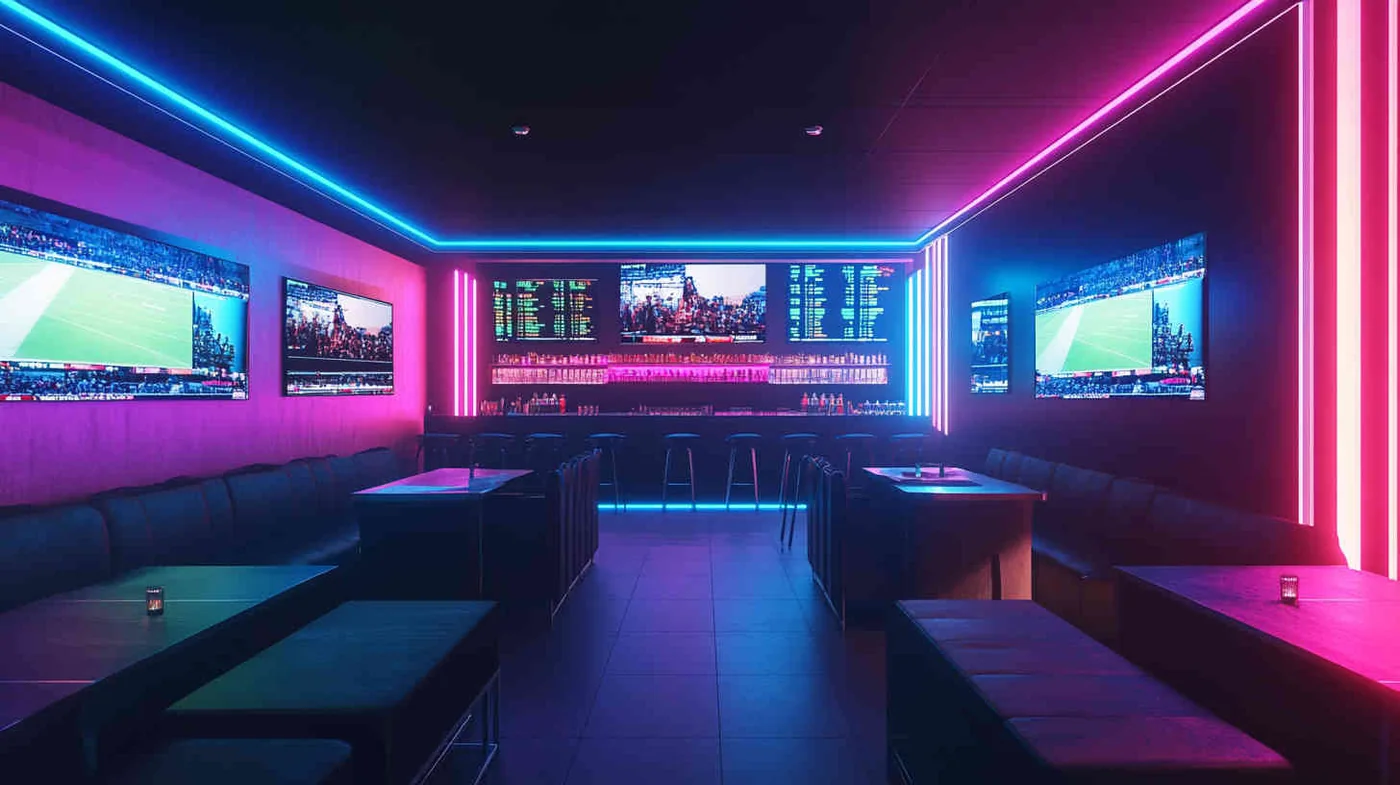
A practical control schedule can use a brighter setup for opening and cleaning, a warm balanced service scene, a lower late-night scene and a separate event mode. Addressable effects can add energy to a feature wall or sign, while everyday dimming should remain stable and predictable. Choose WLED, Zigbee, DMX or another route from the exact configured hardware and validation path.
- Name scenes by operating intent, not only by color.
- Keep task and safety light available when effects are disabled.
- Test restart, manual override and network failure before opening to guests.
VISUAL REFERENCES
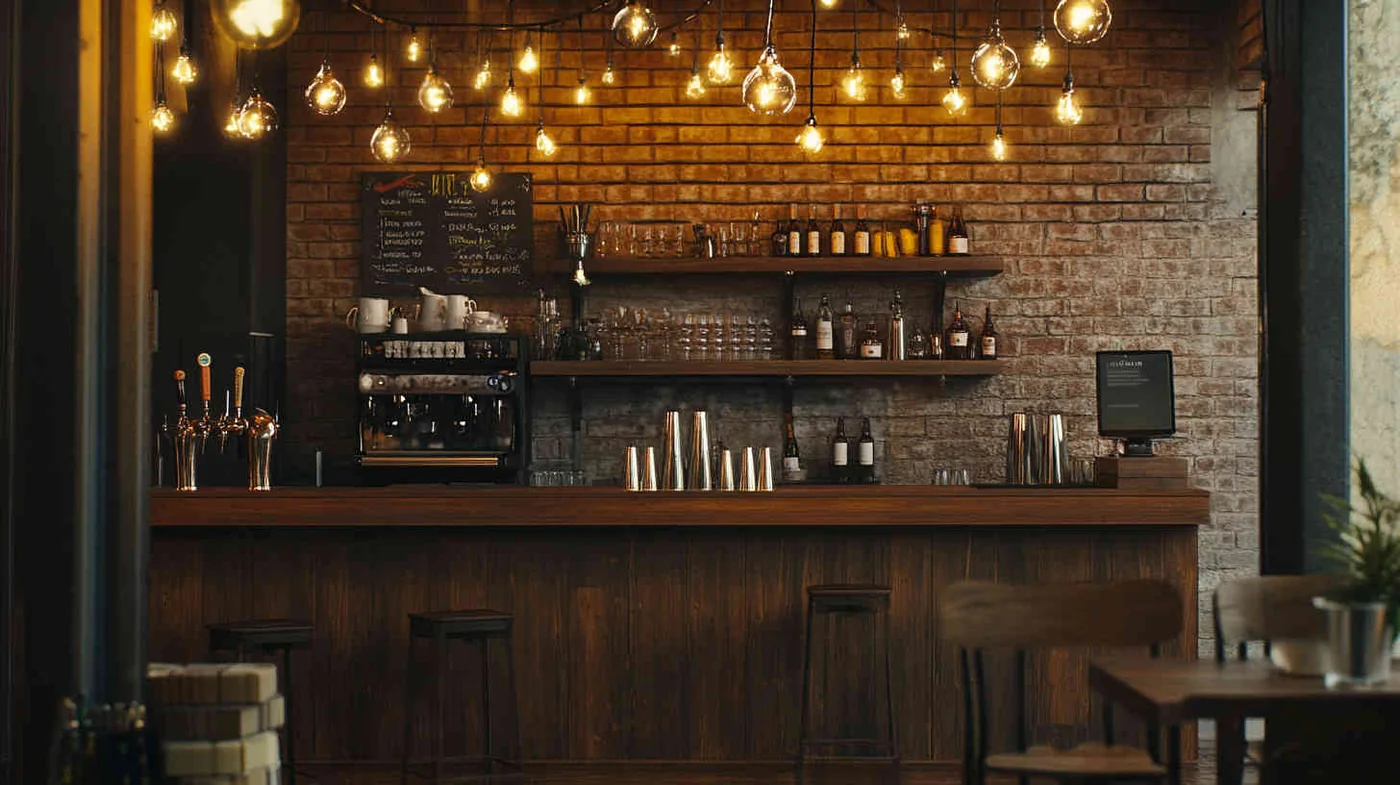
See the layers before you specify the parts.
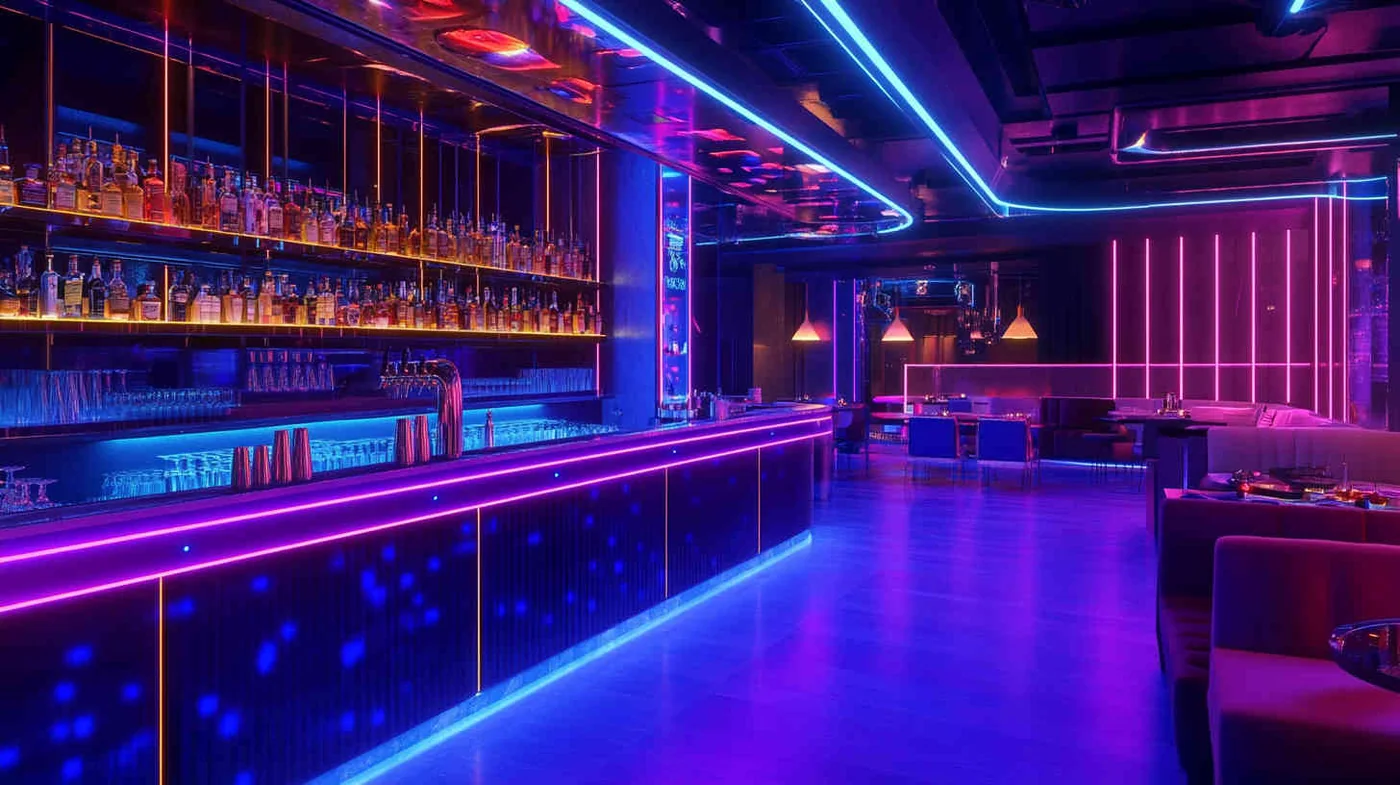
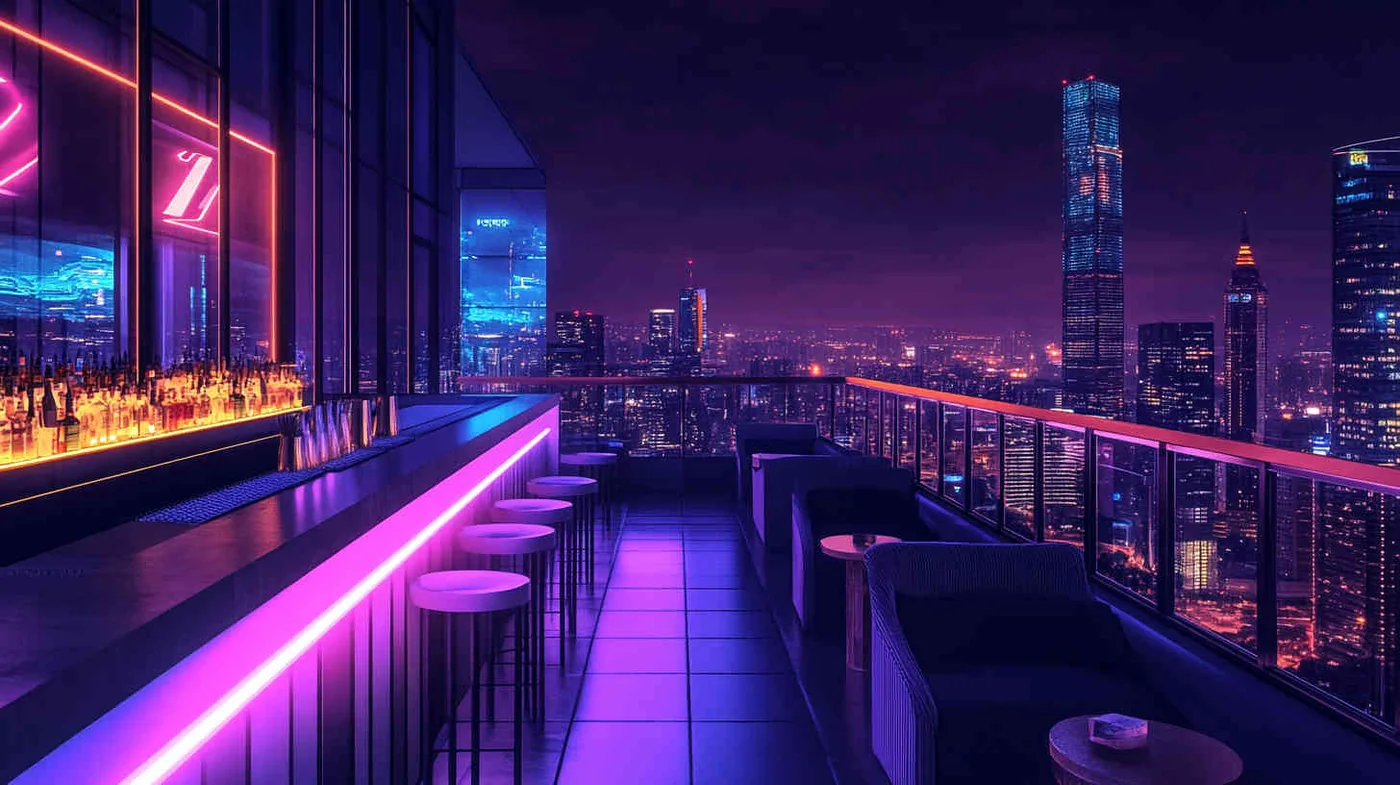
FAILURE MODES
What usually goes wrong
- The whole bar is driven by one color-changing circuit, so staff lose useful task light.
- A bright shelf strip creates reflections in bottles, mirrors or screens.
- An IP rating is published without checking the cable entries, cut ends and driver enclosure.
- A generic lumens-per-area rule is used as the final lighting design without measuring the selected fixture.
TECHNICAL BASIS / VERSION
Keep the decision current
This guide is maintained as a versioned technical record. Recheck the current protocol documentation and the exact product revision before using it in a production installation.
Confirm the selected voltage, light engine, driver, controller, firmware and installation conditions against the product record and project brief.
FAQ / QUICK ANSWERS
Common questions about this lighting setup
What type of lighting is best for a bar?
A layered system is usually more useful than one fixture type: ambient light for orientation, task light for staff and accent light for shelves, bottles, seating and architecture. The exact light engine and control route depend on the space and configuration.
What color temperature works well in a bar?
Warm white around 2700-3000 K often supports a relaxed hospitality mood, while neutral white can help task areas. Use separate circuits and test the actual finish, diffuser and surrounding materials before final selection.
Are LED strips suitable for a bar back or counter?
Yes, when the strip, profile, diffuser, driver, connectors and cable entries are selected as one installation. Concealed strips are useful for shelves and counter details, but wet or outdoor areas need the complete assembled boundary reviewed.
Can a bar use WLED or Zigbee lighting?
Both can be appropriate for different jobs. WLED is suited to a verified addressable effects path; Zigbee can suit everyday dimming or CCT when the exact driver and integration route are documented. Do not infer compatibility from a product photo or protocol label alone.
READING LIST
Reference points used for this guide
The page is rewritten for LumaCircuit readers. These references establish the original topic or technical context; they do not replace an exact product review or a LumaCircuit test record.
- Reference / layered bar lighting, CCT and the complete service boundary