01 / Short answer
Choose the white-light requirement first. RGB, RGBW and RGBCCT are different light engines, not interchangeable labels.
Buyers comparing ambient effects with useful white light
CHECKPOINT / 01
Separate effects from white quality
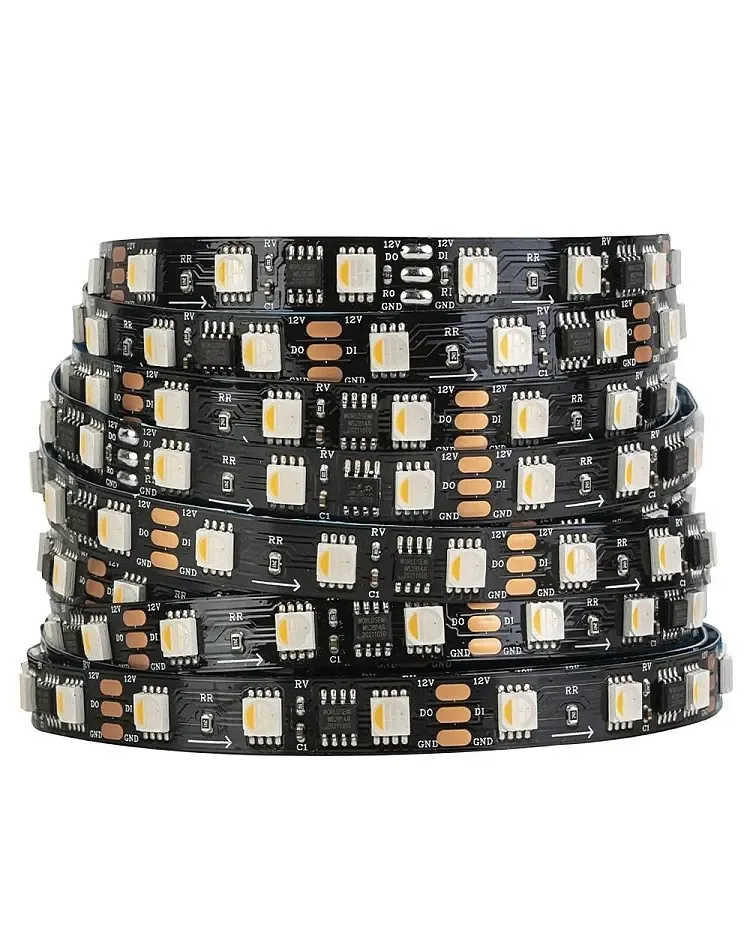
RGB mixes red, green and blue. RGBW adds a dedicated white channel. RGBCCT adds warm and cool white channels. The extra channels affect wiring, controller selection, dimming curves and the usefulness of everyday light.
CHECKPOINT / 02
Specify the actual job
Ask whether the light is for work, relaxation, effects or mixed use. Record channel count, CCT, CRI claim, diffuser and minimum dimming level. A color-temperature range does not prove spectrum quality or flicker behavior.
- Effects-first room: consider addressable RGB or RGBW.
- Task light: prioritize CCT, CRI and glare control.
- Mixed use: test white output and transitions, not only a rendered color.
FAILURE MODES
What usually goes wrong
- RGB mixing is expected to look like a dedicated white LED.
- A four-channel light is connected to a three-channel controller.
- Color temperature is treated as a CRI measurement.
TECHNICAL BASIS / VERSION
Keep the decision current
This guide is maintained as a versioned technical record. Recheck the current protocol documentation and the exact product revision before using it in a production installation.
Confirm the selected voltage, light engine, driver, controller, firmware and installation conditions against the product record and project brief.
READING LIST
Reference points used for this guide
The page is rewritten for LumaCircuit readers. These references establish the original topic or technical context; they do not replace an exact product review or a LumaCircuit test record.
- Technical reference / RGB, RGBW and RGBCCT light-engine comparison