01 / Short answer
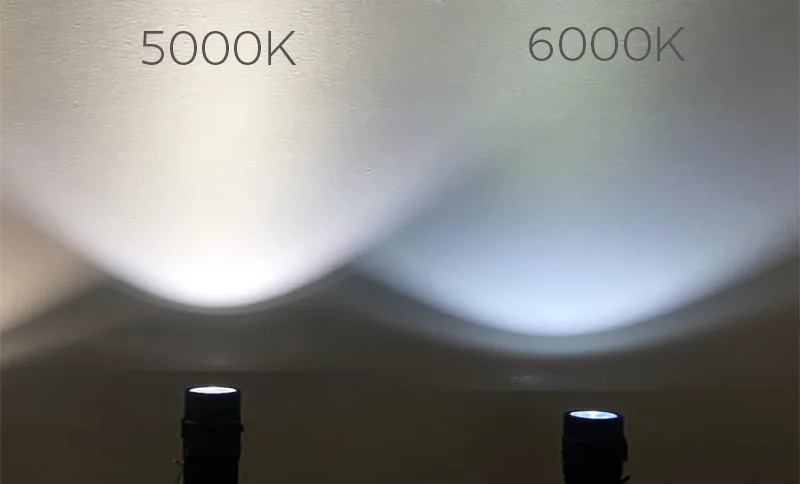
5000 K and 6000 K are color-temperature targets, not brightness ratings. A 6000 K source may look cooler or more contrasty, while 5000 K can feel more neutral, but lumen output, CRI, diffuser, surface and camera response determine the actual result.
Homeowners, retail designers and installers deciding between two cool-white CCT targets

CHECKPOINT / 01
Separate CCT from brightness
Kelvin describes the color appearance of a white light source. Lumens describe the amount of visible light, and watts describe electrical input. Two strips at 5000 K and 6000 K can have different outputs, while two strips at the same CCT can also differ in brightness. Do not answer which is brighter from the Kelvin value alone; compare the exact product output and drive level.
- Record CCT, lumen or output evidence and watts separately.
- Check the CCT tolerance or bin rather than using the nominal label only.
- Compare both strips with the same diffuser, current and viewing distance.
CURRENT PRODUCT RECORDS
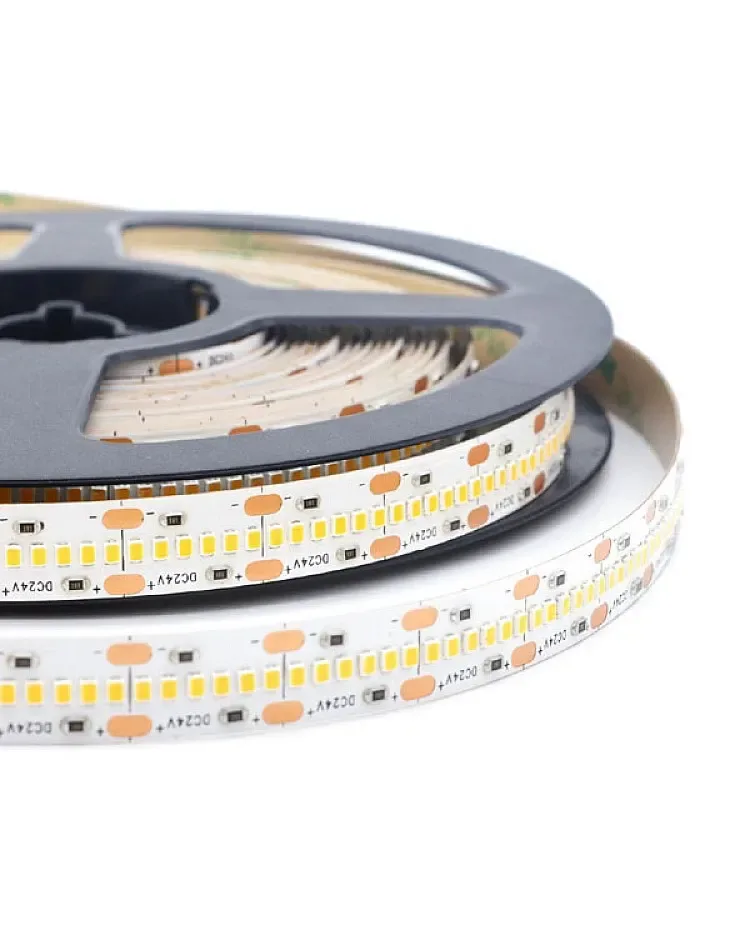
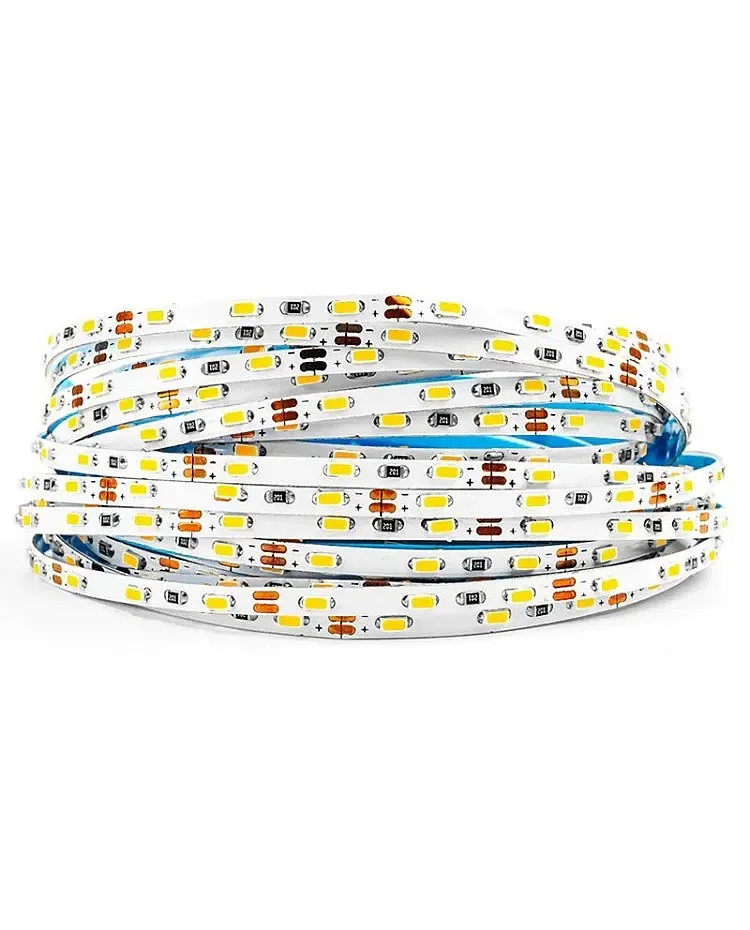
2216 CCT LED strip, 420 LEDs View product 3014 narrow dimmable CCT LED strip View productCHECKPOINT / 02
Use 5000 K where neutrality matters
A 5000 K source is commonly perceived as a cool or neutral white that can suit worktops, retail displays, offices and some exterior paths. The surrounding wall, countertop, timber, paint and daylight can shift that impression. It is not automatically more comfortable or more accurate; CRI, glare, output and flicker still need a separate review.
- Use a material sample when white surfaces or food color matter.
- Check whether daylight enters the room and changes the perceived balance.
- Avoid promising a mood from CCT alone.
CURRENT PRODUCT RECORDS
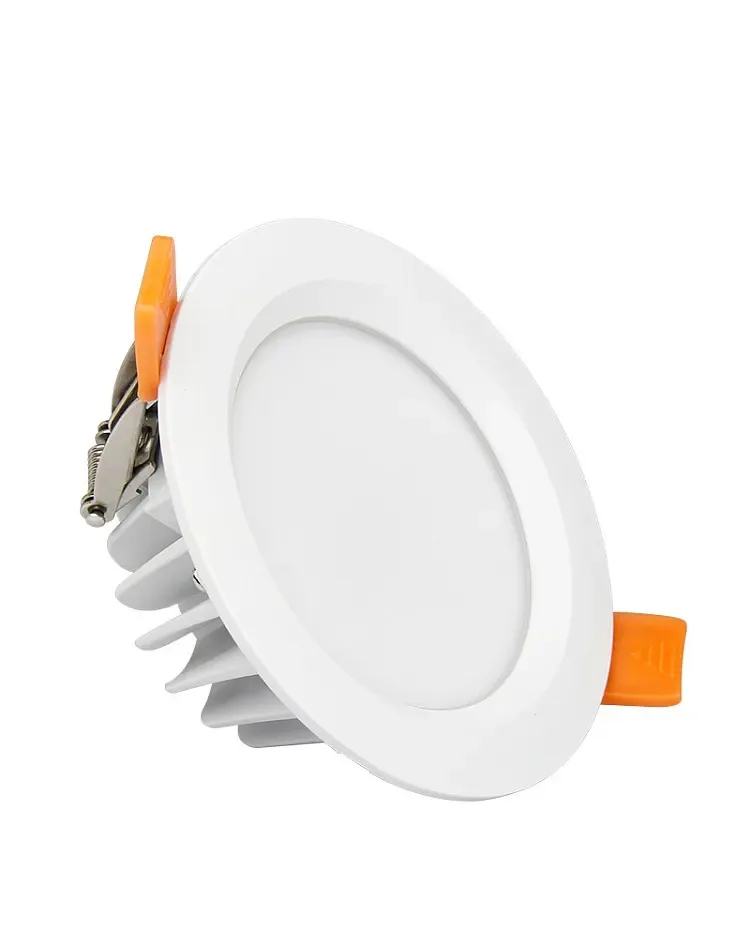
2216 CCT LED strip, 420 LEDs View product 6W RGB+CCT Waterproof LED Downlight Spot View productCHECKPOINT / 03
Use 6000 K only when the cooler effect is intentional
A 6000 K source can appear cooler, bluer and more contrasty to the eye, which may suit a workshop, display or specific visual brief. In a warm residential or hospitality setting it can feel harsh, especially when output or glare is high. Choose it for the required visual effect and task, not because a higher Kelvin number is assumed to be brighter or better.
- Check the viewing duration and the user position.
- Control brightness and glare before deciding that the CCT is the problem.
- Compare 5000 K and 6000 K beside the actual wall, product or work surface.
CURRENT PRODUCT RECORDS
3014 narrow dimmable CCT LED strip View product 6W RGB+CCT Waterproof LED Downlight Spot View productCHECKPOINT / 04
Check CRI, uniformity and control together
A cool-white choice can still render colors poorly, vary along a long strip or change character through a diffuser. Record CRI or R9 requirements, CCT tolerance, dimming floor, voltage, watts per metre and profile. If the project needs tunable white, test the warm and cool channels at the same output and confirm the controller mixes them without a visible step or channel mismatch.
brief = cct + cri + output + diffuser + sightline
compare = sample_5000k vs sample_6000k
approve = color_intent && uniformity && control_range
CURRENT PRODUCT RECORDS
2216 CCT LED strip, 420 LEDs View product 6W RGB+CCT Waterproof LED Downlight Spot View productCHECKPOINT / 05
Approve the temperature at the real sightline
Install both candidates in the final channel or fixture, turn off competing light where possible and view them at the normal time of use. Test low, normal and maximum brightness, then photograph or measure the surface only as supporting evidence. Record the chosen CCT, product variant, tolerance, diffuser, output, controller and room finish. A nominal number is useful; a sample makes the decision believable.
- Judge a white wall, skin, timber, metal and the actual displayed object.
- Check camera response if the space will be photographed or filmed.
- Reapprove after changing the diffuser, drive level or surrounding finish.
VISUAL REFERENCES
See the layers before you specify the parts.


FAILURE MODES
What usually goes wrong
- Kelvin is used as a proxy for lumens or electrical power.
- 5000 K or 6000 K is chosen without checking CCT tolerance and binning.
- The room finish and daylight are ignored when comparing cool-white samples.
- A high CCT is selected for focus while glare, flicker or excessive output remains untreated.
- The final diffuser and camera are introduced after the CCT decision is already locked.
TECHNICAL BASIS / VERSION
Keep the decision current
This guide is maintained as a versioned technical record. Recheck the current protocol documentation and the exact product revision before using it in a production installation.
Confirm the selected voltage, light engine, driver, controller, firmware and installation conditions against the product record and project brief.
FAQ / QUICK ANSWERS
Common questions about this lighting setup
Is 6000 K brighter than 5000 K?
Not necessarily. CCT describes color appearance, while brightness depends on output, drive level, optics and the viewing environment. Compare the exact products at the same conditions.
Which is better for a garage, 5000 K or 6000 K?
Choose from the task, surface, glare, camera use, CRI, output and user preference. A sample at the work position is more reliable than a universal CCT rule.
Does 5000 K or 6000 K mean higher CRI?
No. CCT and CRI are separate specifications. Ask for the color-quality evidence for the exact strip or fixture variant.
READING LIST
Reference points used for this guide
The page is rewritten for LumaCircuit readers. These references establish the original topic or technical context; they do not replace an exact product review or a LumaCircuit test record.
- Reference / 5000 K, 6000 K and the real viewing condition